
The need for a new civil rights movement
The need follows the Supreme Court dismantling the landmark Voting Rights Act of 1965
Last week, the U.S. Supreme Court ruling effectively killed the Voting Rights Act of 1965. Congress passed this landmark law four decades ago to stop racial discrimination in voting.
The conservative majority on the Court pulled up decades-old roots, it said, because racial discrimination in elections — which this country has a long history with— is largely over. Six unelected figures on the Court determined that Black Americans no longer need legal protections to ensure they can vote freely and fairly.
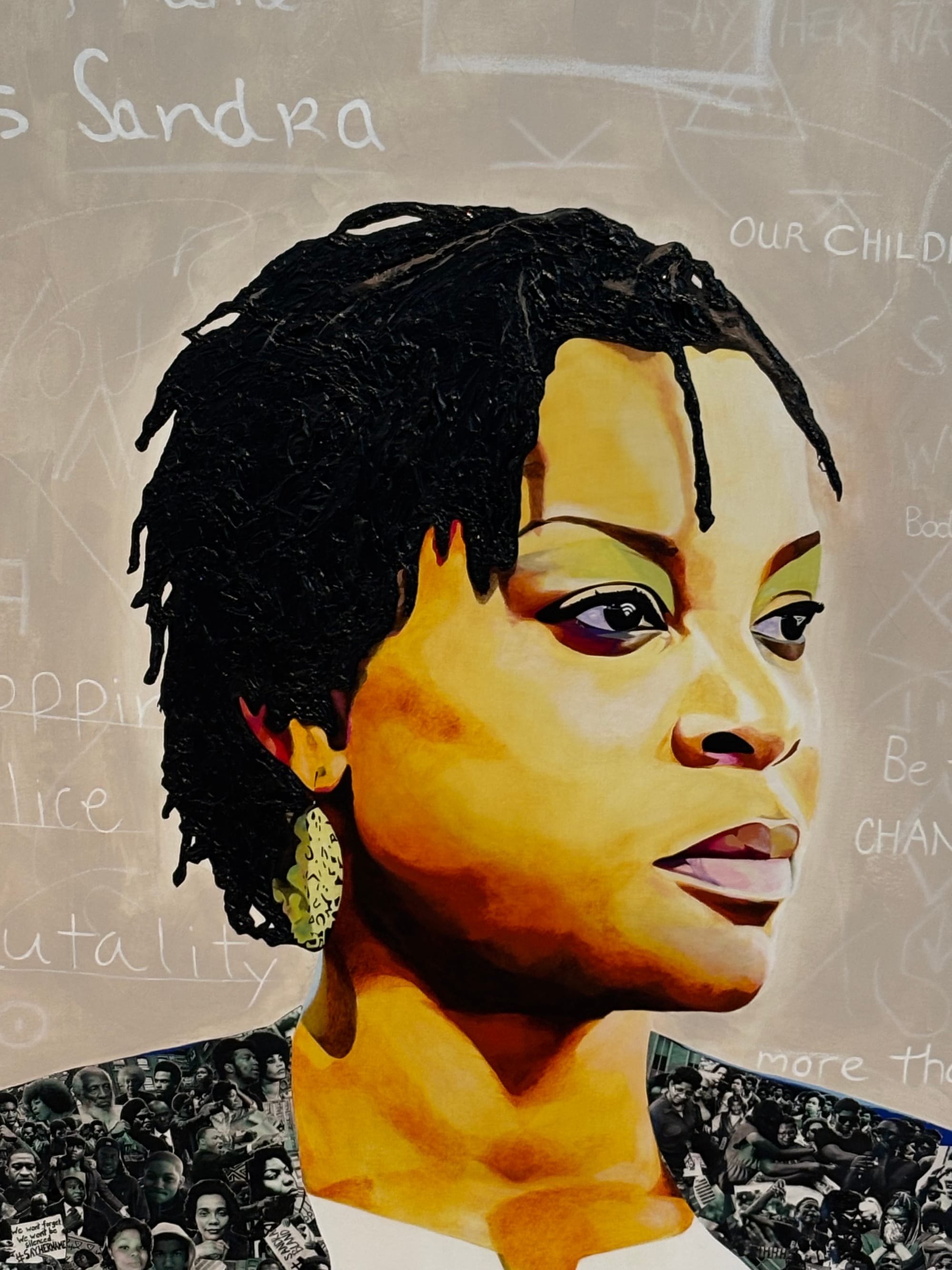
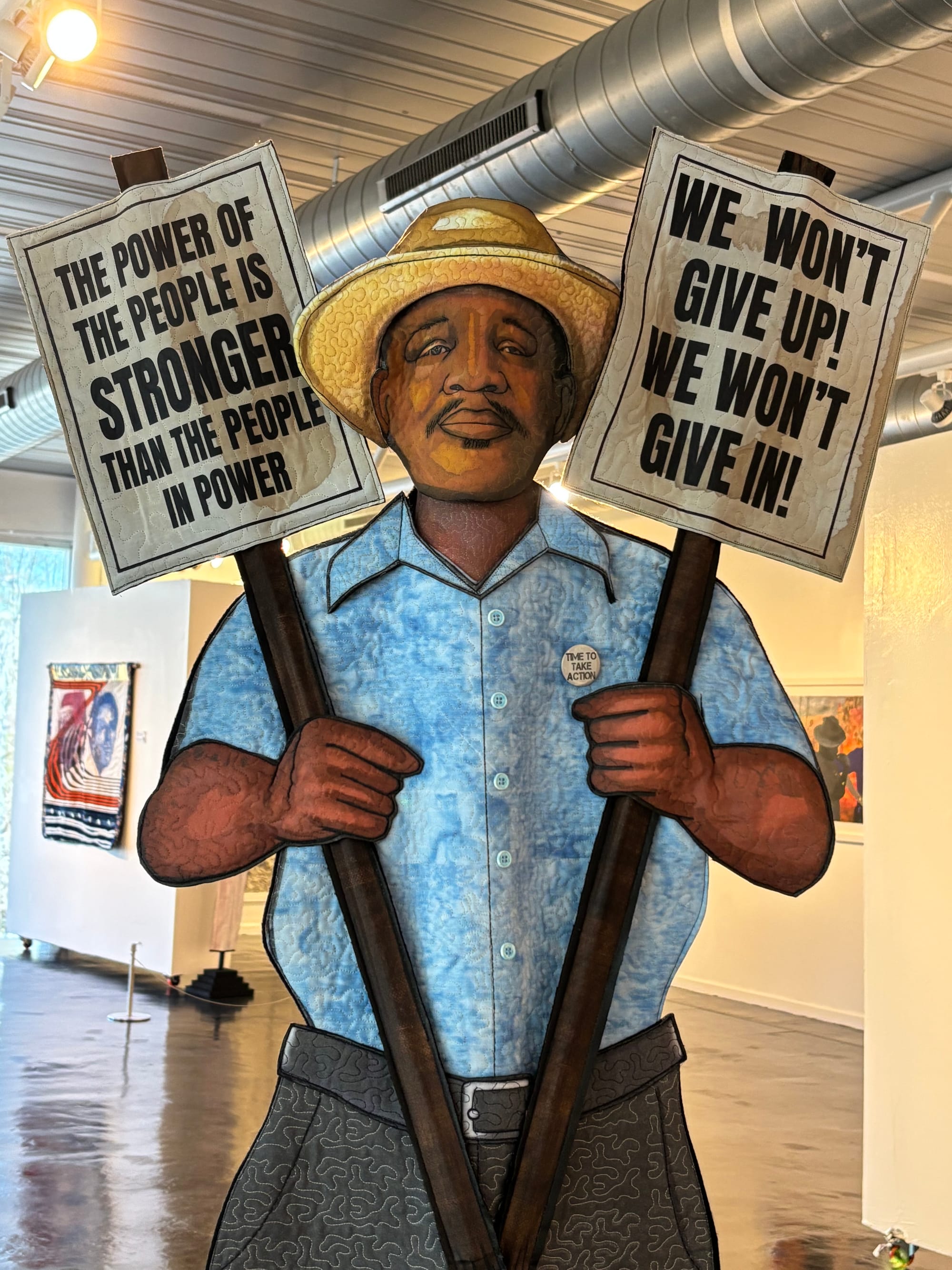
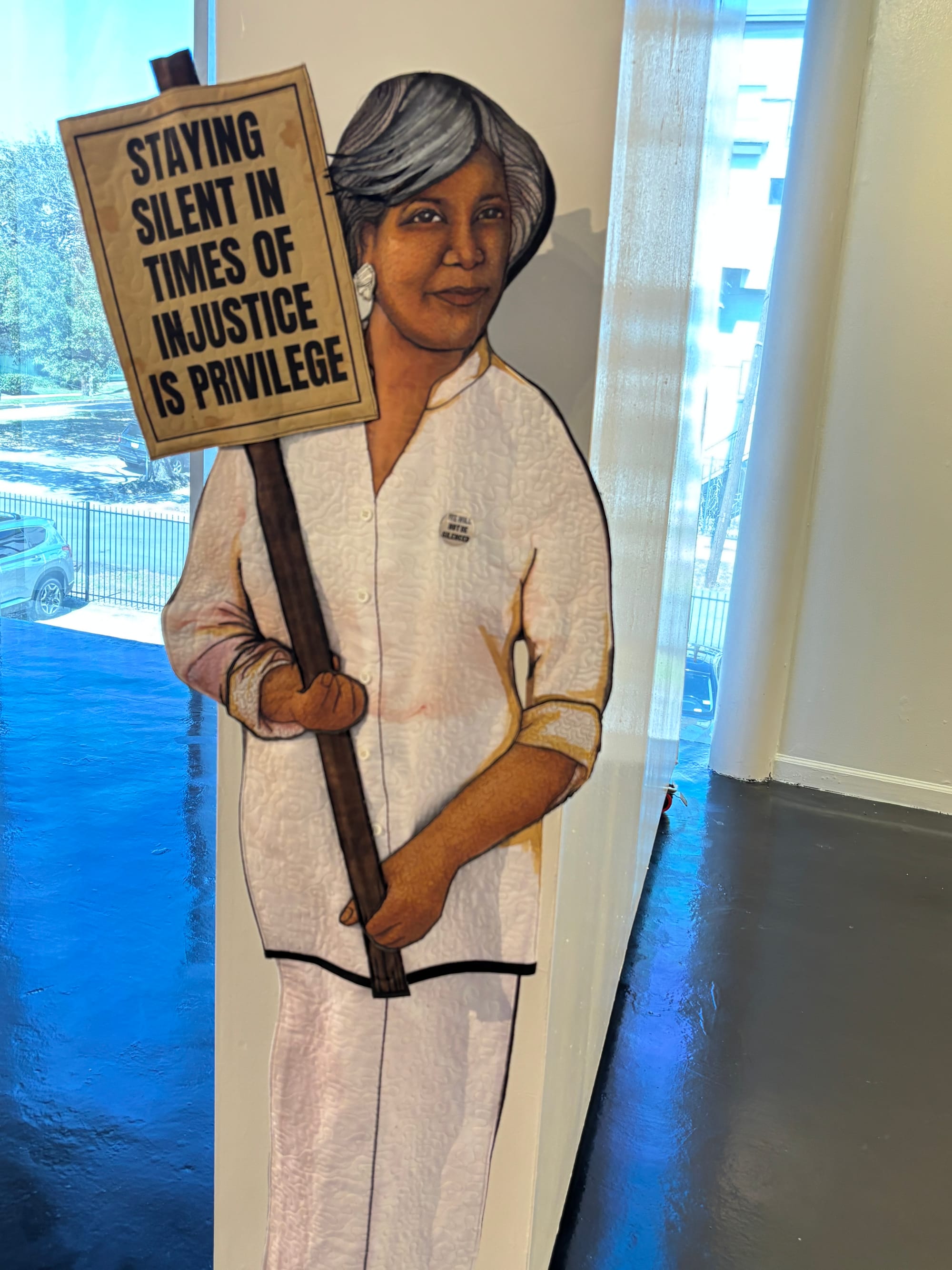
Houston Museum of African American Culture/ Kevin Nix
Conservative lawmakers have pushed for a slew of new laws in recent years at making it harder for Black Americans— non-white voters, really—in Southern states to vote.
A number of civil rights leaders and groups, as well as President Barack Obama, have called for a new civil rights movement over the past decade.
The most immediate step in any modern civil rights movement--beyond sketching out a 10-year policy, communications, and electoral plan – would leverage this fall's elections.
Black voters are the backbone of the Democratic Party. Will the party move to make Black Americans’ freedom to vote a centerpiece in the fall elections, in addition to the sputtering economy? Or should the cost of living, for now, remain the sole focus, given that’s the overriding concern of most voters?